For two full days in Busan, spend one day around the old port and one along the eastern coast. With a third day, add a slower neighborhood morning or a weather-dependent outing rather than squeezing another cross-city journey into every afternoon. The most useful hotel is the one that supports your arrival, departure and evening plans—not necessarily the one closest to a famous photograph.
This itinerary groups sights geographically and explains what to drop when you arrive late, encounter rain or find the Sky Capsule sold out. The day order and time allowances below are planning suggestions, not an officially timed tour. Reserve intercity transport and any activity you care about first, then fit the flexible walks around them.
Choose your base before arranging the days
Busan Station, Nampo, Seomyeon, Gwangalli and Haeundae solve different problems. A beach hotel can make an evening feel effortless while adding a substantial journey on your train day. A central interchange is convenient for sightseeing but does not put the sea outside your door. For a two-night stay, keeping one hotel usually saves more effort than moving bags for a different view.
| Base | Choose it when | Check before booking |
|---|---|---|
| Seomyeon | You want a practical compromise between old-port and beach days. | The walk from the exact station exit; late-night street noise. |
| Nampo / Jagalchi | Markets, the old port and a western sightseeing day are your priorities. | The journey back from eastern beaches after dinner. |
| Busan Station | A late KTX arrival or early departure determines your schedule. | Whether you prefer convenience to spending evenings by the beach. |
| Haeundae | You want beach walks and the Mipo coastal area to anchor the visit. | Your full door-to-door journey to the train station. |
| Gwangalli | Bridge views and an evening on the waterfront matter most. | The actual walk between your accommodation and the metro. |
Use the official Busan Metro route planner to compare your hotel pin with both days. Seomyeon connects Lines 1 and 2; Busan Station, Nampo and Jagalchi are on Line 1, while Haeundae and Gwangan are on Line 2. Do not confuse Gwangan Station with a door directly onto the sand, or Haeundae Station with the Mipo boarding point. Add the walking sections when judging a hotel's location.
The two-day route at a glance
- Old-port day: Gamcheon during permitted visiting hours, then lunch and a market walk around Jagalchi and Nampo. Keep the evening nearby.
- Eastern-coast day: Haeundae and the Mipo–Cheongsapo area, using one preselected scenic ride or a walk, then an optional Gwangalli evening.
- Third day: A relaxed Seomyeon/Jeonpo morning, more coastal time, or one separately planned outing. Match it to your departure point and the weather.
Reverse the first two days if that gives you a confirmed ride reservation or better weather. If arriving at lunchtime, count that as a half day: begin near your hotel and save the full old-port or coast route for tomorrow. Two nights do not automatically provide two full sightseeing days.
Day 1: Gamcheon, Jagalchi and Nampo
Morning: a hillside neighborhood with visiting rules
Visit Gamcheon as a residential neighborhood, not a place to chase an empty dawn photograph. KTO's August 2026 visitor notice limits tourist visits to residential areas to 09:00–18:00, asks visitors to protect residents' privacy, and describes restrictions on tourist vehicles including taxis. It also requires groups of ten or more to purchase a group map. Follow current signs and staff directions rather than asking a driver to enter a restricted lane.
Check the current approach on the official Gamcheon listing before setting off. A local public-transport approach and the final hillside walk need their own allowance; the nearest metro journey is not the whole trip. Start with the information area and a public viewpoint, then choose a manageable loop. Leave private steps and doorways clear, and ask before photographing residents.
Allow a relaxed morning rather than assigning every mural a fixed minute. The slopes and steps can be tiring, especially with luggage or wet weather. If stairs are difficult for your group, reduce the hillside section or replace it with more time around Nampo. Store bags at your accommodation where possible; do not assume that a small café can keep suitcases.
Lunch: decide what you are ordering before you sit down
Continue toward the Jagalchi/Nampo area for lunch. A seafood market visit can be a walk through the stalls without becoming an expensive meal. If you do eat seafood, agree on the product, quantity, preparation charge and any separate table or cooking fees before ordering. Ask for the total for your party. A quoted price for the raw item alone may not describe the finished meal.
Traveling with a vegetarian or halal diner requires a different restaurant choice; seafood and vegetable side dishes are not automatic answers to every dietary requirement. Save a suitable restaurant in advance using our vegan, vegetarian and halal dining guide. This is easier than asking a busy market stall to redesign a meal after everyone has sat down.
Afternoon and evening: choose a market loop, not every market
Use Nampo as the afternoon anchor. Browse the shopping and food lanes around BIFF Square and Gukje Market according to your interests, with a café break when needed. Nearby stops can still produce a long day of standing and walking. Choose a couple of lanes you want to explore rather than treating every named market as a separate must-finish attraction.
Stay in the western part of the city for dinner if you are tired. Moving to Haeundae solely for a second evening scene makes tomorrow's coast day less distinct and adds travel after a hilly morning. If your hotel is at Haeundae, use the return journey as the end of sightseeing and enjoy a short beach walk near the hotel instead of adding another destination.
Day 2: Haeundae, a coastal ride and Gwangalli
Morning: leave space between the beach and your boarding point
Begin at Haeundae Beach, reached from Haeundae Station on Line 2. The city's beach page identifies the station approach; use a map for the final walk to your chosen part of the waterfront. Walk the promenade, have breakfast and continue toward Mipo if you have booked a coastal ride. Do not time your metro arrival as though it were your boarding arrival.
Our Haeundae walking guide gives more detail for this part of the day. Keep the plan flexible enough for wind, heat or a long café queue. Visiting the beach outside the swimming season is a promenade visit; this itinerary does not assume swimming or lifeguarded water access.
Sky Capsule or Beach Train: book the right experience
The Sky Capsule and Beach Train are different products. The capsule uses the Mipo–Cheongsapo section; the train serves a longer coastal route toward Songjeong. Select one experience because it fits your day, rather than buying a package simply because the names look similar. A one-way ride also leaves a return journey to plan: another valid ride, a suitable walking route or ordinary transport.
At the official fare page checked on 17 October 2026, a capsule costs ₩50,000 for two, ₩55,000 for three or ₩60,000 for four; these are prices per capsule. The Beach Train lists a Mipo/Songjeong single ride at ₩10,000 per person, with other boarding and pass options priced separately. Confirm the chosen option at checkout rather than using an old screenshot.
For example, two adults buying one capsule and one Mipo/Songjeong single train ride each would budget ₩70,000 for those tickets at these listed fares, before any package discount. That is a comparison example, not a promise that every combination fits your departure times. Free beach walks plus ordinary transport may be the better choice if the ride is not a priority.
- Open the official reservation page and choose the product and departure station.
- Check the direction, date, party size and available time before paying.
- Read the cancellation terms and confirm how the mobile ticket will arrive.
- Keep the booking QR available offline and allow time to find the correct station.
The operator currently opens tickets for the week four weeks ahead on Tuesdays at 07:00, and says limited same-day stock can sell out early. Recheck the live notice for your dates. Its capsule operating-hours page lists about thirty minutes for a one-way ride and warns that operations may change for safety. Avoid a tight connection between a scenic booking and your intercity train.
Afternoon: finish one coastal section before changing neighborhoods
After the ride, leave time for the waterfront around your arrival point and lunch. Decide whether you are returning toward Haeundae or continuing toward Songjeong; do not add both just to use a ticket. A short coastal section with a proper meal often works better than several queues and a rushed return. If tickets sell out, keep the beach and a shorter public coastal walk as the day's main experience.
For the evening, move to Gwangalli only if you still want another waterfront stop. It makes most sense when your hotel is there or you can return comfortably afterward. The Gwangalli guide explains the bridge-view evening plan. Do not build this itinerary around a drone show without checking the current official schedule and weather-related cancellations.
What to do with a third day
If you leave after lunch, choose a neighborhood breakfast and one short activity near your hotel, then collect your bags. For a full extra day, decide what your first two days lacked: another beach morning, cafés and shops around Seomyeon/Jeonpo, or one separately researched coastal or cultural outing. Avoid making the third day an overflow list of distant places you could not fit earlier.
For travelers continuing to Seoul, keep the KTX, SRT, bus and flight comparison alongside the itinerary. Check the actual departure station printed on your ticket. Work backward from the departure time to bag collection and the station journey, then leave additional margin for unfamiliar exits or traffic. This matters more than fitting one last attraction into the morning.
Rain, tired legs and the budget decisions that matter
In heavy rain or strong coastal wind, replace the long outdoor section with one indoor activity whose current opening hours you have checked. Do not assume every attraction closes on the same day or that a rail booking continues through severe weather. Keep cancellation information with the reservation and check the operator's notice before leaving the hotel.
For a lower-cost trip, spend on the experience you most want and keep the other day focused on walking and markets. Compare the real sum of individual attraction tickets with a pass, including whether reservations or surcharges remain necessary. A pass saves money only if you actually want and can reach the included places; filling the day to justify it can undermine the route.
Before booking a room, compare the final price for the same dates, party size and cancellation terms. Check whether breakfast or luggage storage is included and whether the cheapest room is on a noisy street or far from your intended exit. A modest saving can disappear into extra taxi rides. Keep accommodation, intercity transport, local travel, meals and paid activities as separate budget lines so you can adjust one without guessing the others.
For the wider trip, use our seven-, ten- and fourteen-day South Korea itineraries to decide how many full Busan days you really have. This city route is designed to fit into that larger journey while leaving room to eat, rest and change plans.
Sources and photograph
Transport routes, Gamcheon visitor rules, beach access and Blueline fares/reservations were checked against the official sources linked at the relevant sections on 17 October 2026. Prices, operating notices and availability can change. The route grouping and pacing are editorial planning suggestions, not a claim of a personally timed visit.
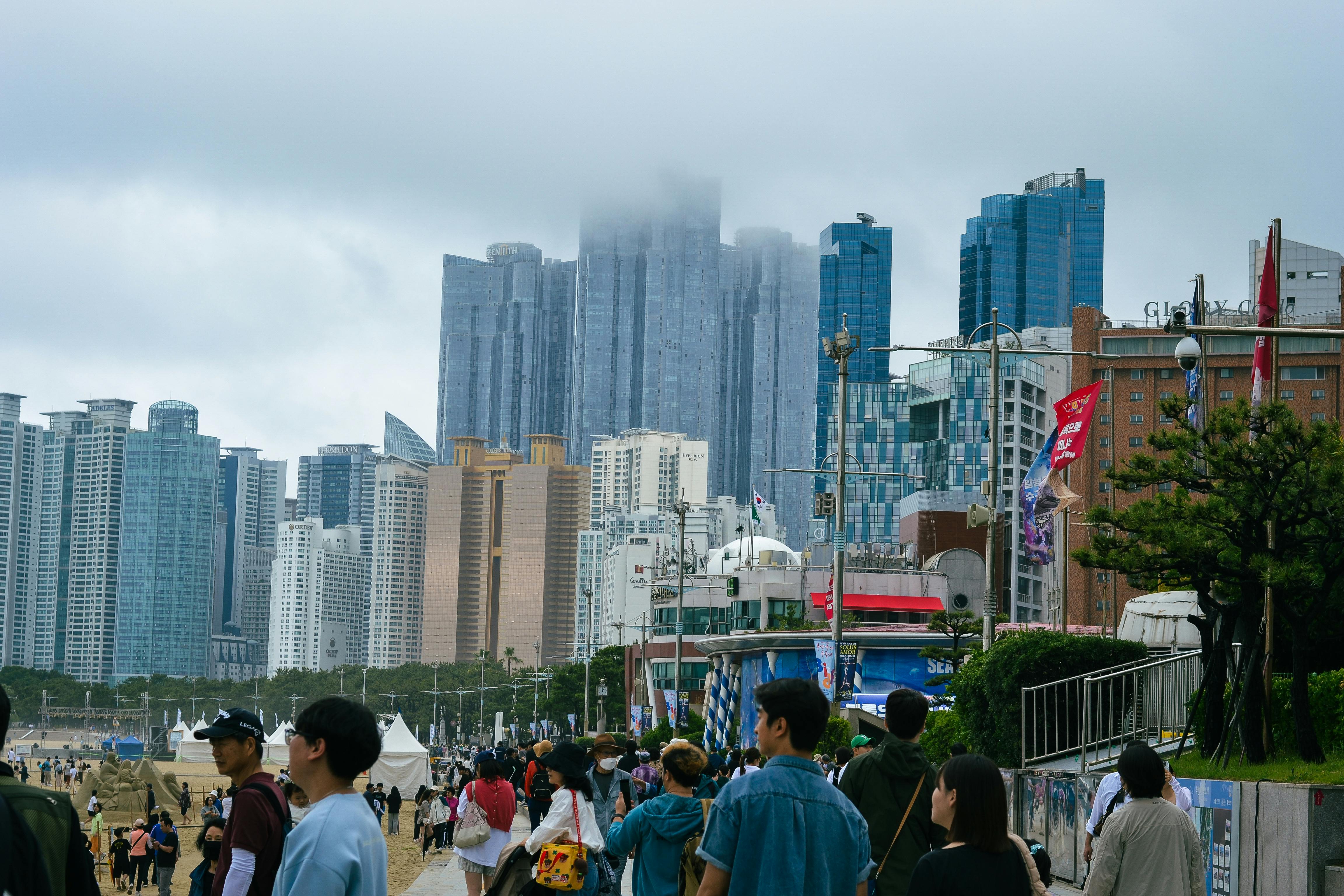
Real photograph by Alina Dmytrenko, Pexels source, used under the Pexels license. Displayed with a portrait crop; no generative editing. The image shows Haeundae, not every stop in the itinerary.
Comments
Post a Comment